
With recent currency fluctuations against the Israeli Shekel, international buyers are shifting their approach to the market. Rather than stepping back, savvy investors and families looking to make Aliyah are becoming far more strategic with their capital, unlocking value in new ways.
We reached out to Sue Arfin, an elite real estate consultant who helps clients worldwide seamlessly secure their ideal properties, for her expert guidance on how to navigate today’s dynamic housing market in Israel.
Q&A with Sue Arfin, founder of Dream Home Israel
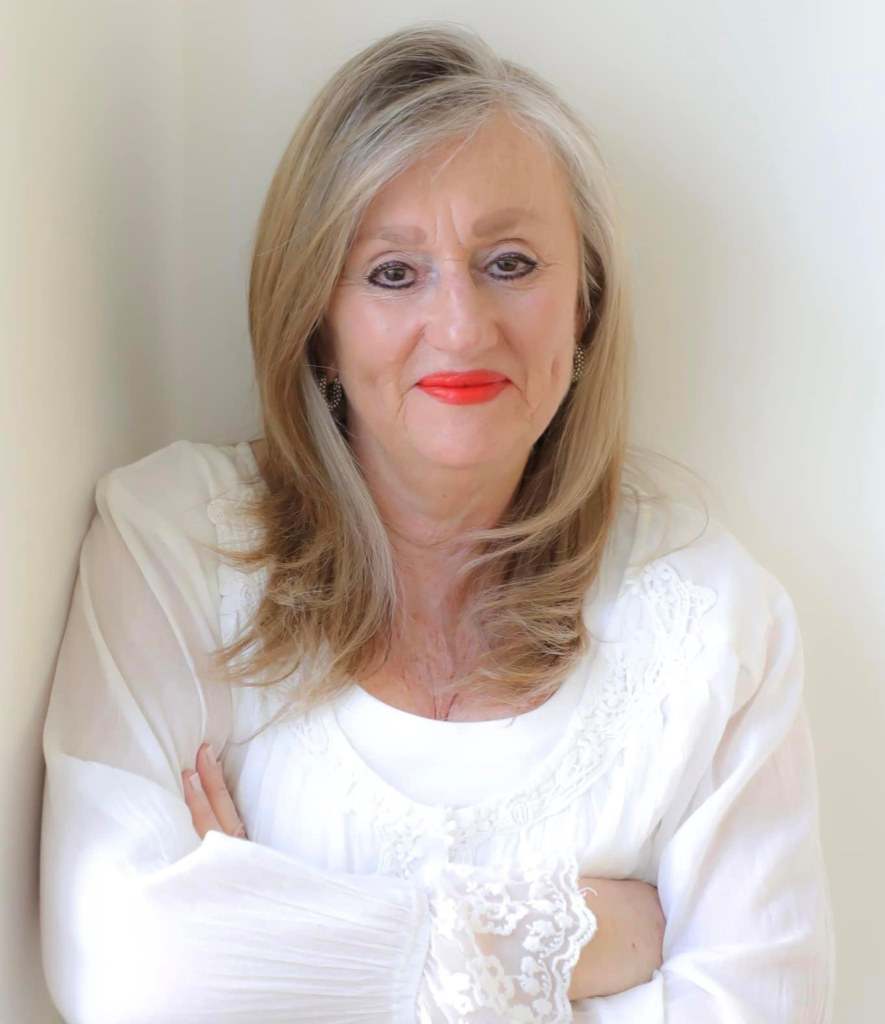
Q: What is the biggest single piece of advice you have for people looking to buy property in Israel?
A: My absolute best advice is to assemble your local “dream team” before you start looking at properties. Navigating Israel’s legal, financial, and bureaucratic systems from abroad is uniquely complex. Long before you sign a contract, you need a trusted independent lawyer, a specialized mortgage advisor, and a property consultant who exclusively protects your interests as the buyer, not the seller’s. Trying to piece it together as you go is where buyers face unnecessary stress.
Q: The Israeli Shekel is fluctuating right now against many foreign currencies. How is it affecting business?
A: Currency volatility naturally makes international buyers pause, but it hasn’t stopped them. Instead, it’s forcing them to be far more strategic. Buyers are becoming much more realistic about their true budgets and are working closer than ever with foreign exchange specialists to lock in rates. It’s also driving a shift toward up-and-coming neighborhoods and projects with flexible payment structures where their capital can stretch further.
Q: Some of our clients are asking, should they wait or buy now. What is your advice?
A: My philosophy is simple: don’t try to time the market; time your life. Real estate in Israel is historically a long-term asset. If you find a property that perfectly aligns with your family’s 5-to-10-year plan, and the numbers make financial sense for your budget today, buy it. Waiting around for a “perfect” economic window usually results in missing out on the right home or watching prices rise anyway.
Q: Over the past few years, the Israel real estate market could have been referred to as a seller’s market. Is that changing?
A: We are definitely transitioning into a more discerning buyer’s market. The days of sellers naming any astronomical price and expecting an immediate bidding war are largely behind us. While high-quality luxury properties in prime locations still command a premium, buyers today have significantly more leverage to negotiate terms, upgrade allowances, and favorable payment schedules, such as 20/80 structures on pre-construction builds.
Q: Rule #1 in real estate is location, location, location. Which areas are most popular for foreign buyers?
A: Tel Aviv, Jerusalem, and Netanya remain the classic, undisputed powerhouses for luxury real estate and established English-speaking communities. However, we are seeing a massive surge of interest in premium suburban hubs like Ra’anana, Herzliya, and parts of Modi’in. International families are increasingly looking for a seamless, community-driven lifestyle transition, not just a beautiful apartment.
Q: Do you feel like certain cities/neighborhoods are undervalued right now or overpriced relative to the market?
A: Some of the hyper-inflated luxury bubbles are undergoing a healthy, natural correction right now. Conversely, I believe neighborhoods directly along the path of the upcoming Light Rail expansions, particularly those just on the outskirts of Tel Aviv, are currently undervalued. The massive infrastructure and accessibility boost coming to those areas over the next few years will inevitably drive long-term value.
Q: How do you see the market changing over the next 12–24 months?
A: I anticipate continued stabilization and a strong focus on flexibility. Developers will likely keep offering creative financial terms to attract buyers. Furthermore, driven by global immigration trends and Aliyah, demand will remain incredibly resilient. We will likely see a premium placed on completed or near-completion properties, as buyers seek immediate certainty.
Q: As a consultant, you have a unique perspective on the entire process of purchasing an apartment. What advice do you have for people who always wanted to own in Israel but don’t know where to begin?
A: Stop scrolling endlessly through real estate websites and start with your “Why.” Sit down with an advisor and map out the lifestyle purpose of the purchase. Is it a pure investment? A future retirement home? A holiday spot for the grandchildren? Defining the lifestyle goals and the financial boundaries first will save you months of aimless browsing and frustration.
Q: What types of clients do you work with and what do you charge for your services?
A: I work exclusively with international buyers, expats, and families looking for a high-touch, end-to-end purchasing and relocation experience. Because every property search and relocation plan is entirely unique, my advisory services are bespoke and tailored to the specific scope of the client’s needs. We map all of this out clearly during our initial introductory consultation to ensure a perfect fit.
We would like to thank Sue Arfin for her advice on how to navigate the market and buy property in Israel right now, specifically addressing the affect of the strong Israeli Shekel on anyone buying with foreign currency. If you have any questions, please feel free to reach out to her directly.
Contact Info:
Sue Arfin, Independent Property and Relocation Consultant
Phone/WhatsApp: +972 53 362 5731
+44 7973 802069
Instagram 🔗dream_homeisrael
Sue Arfin is an independent property and relocation consultant based in Tel Aviv, specializing in helping international clients and Olim navigate the local real estate market with ease. With a deep understanding of market dynamics and a commitment to advocate-led service, Sue bridges the gap between global expectations and Israeli ground reality to secure the right homes for her clients.